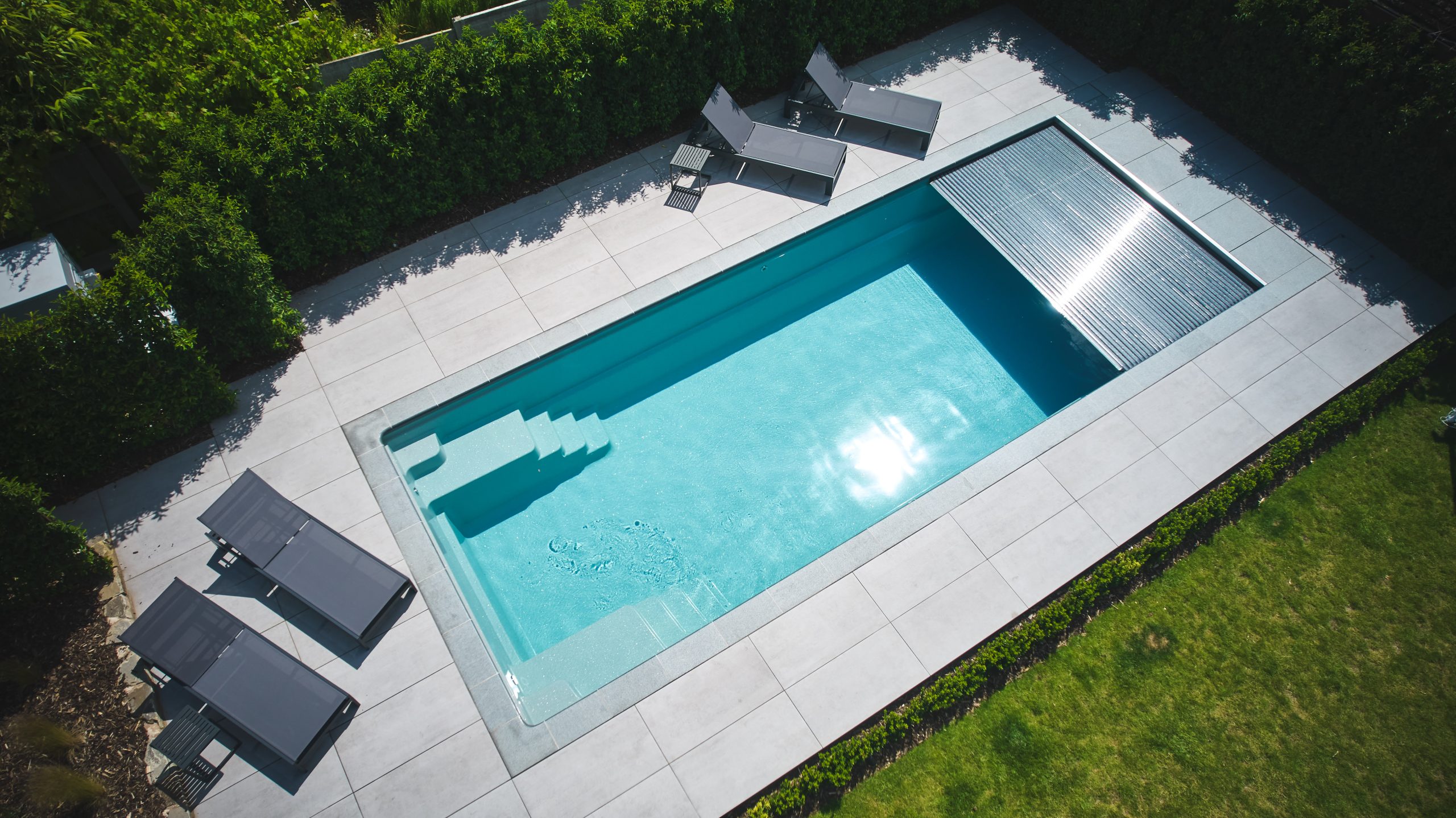
The Sliding Scale of Safety: What You Really Need to Know About Pool Covers
When you invest in a swimming pool, safety is naturally one of your top priorities. It is easy to assume that a pool cover is a binary safety switch—either the pool is "safe" because it is covered, or "unsafe" because it isn't. However, the reality of pool cover safety—and how it impacts your long-term running costs, reliability, and pool aesthetics—is much more complex.
Before we dive in, there is one golden rule that must be stated: no pool cover, regardless of its design, is a substitute for vigilant adult supervision. General water safety, education, and keeping a watchful eye are always your primary lines of defence. A cover is simply a backup layer.
Think of pool covers like vehicles. A motorbike, an older automatic saloon, a modern 4×4, and a high-end electric vehicle will all get you from A to B, but they offer vastly different levels of protection, efficiency, and engineering. Pool safety is a sliding scale, and some covers can actually make your pool more dangerous.
Let’s look at the four main options for pool covers to see how they compare across safety, bills, reliability, and how they impact the look of your garden.
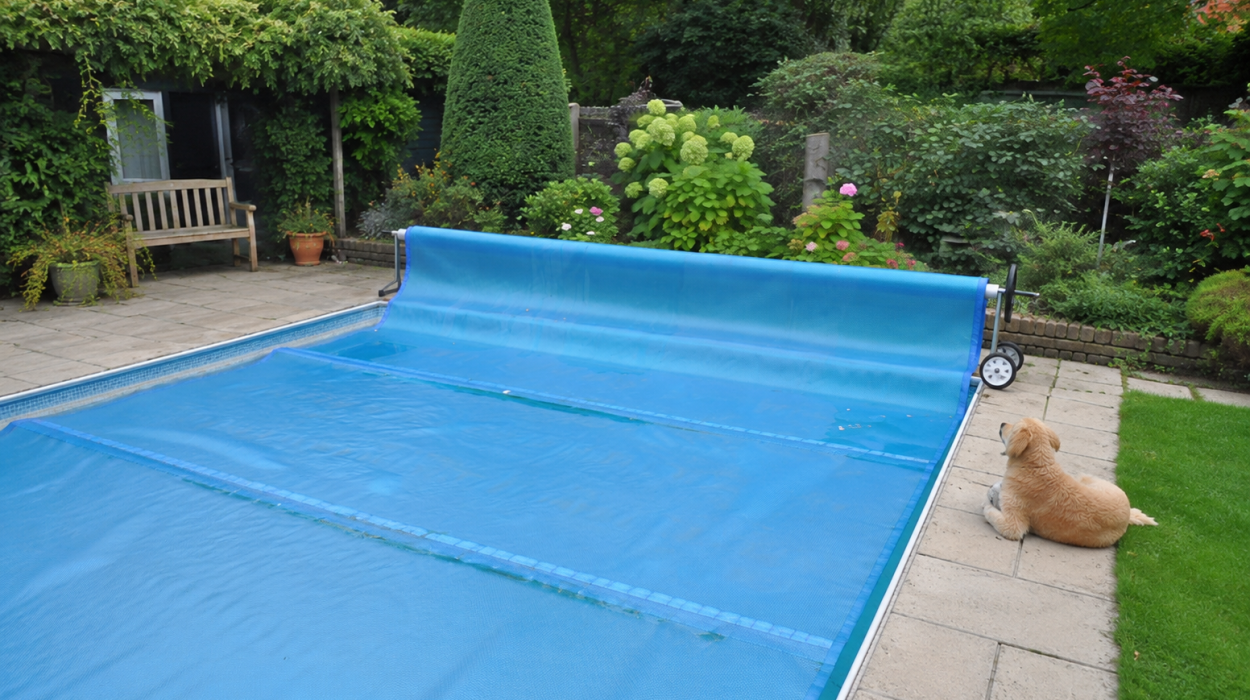
Bubble Covers: The Motorbike of Pool Covers
Bubble covers (also known as solar covers) are the most common and inexpensive type of pool cover on the UK market. When it comes to mechanical reliability, they are unmatched simply because there are no moving parts to break or tracks to clean. However, they score incredibly poorly on both safety and aesthetics. Visually, a bubble cover cannot be hidden or integrated into the pool structure. It requires a bulky, manually operated metal reel that permanently sits on your pool decking, ruining the clean lines of your garden landscaping.
More importantly, sitting firmly at the absolute bottom of the safety scale, they provide zero protection. Much like riding a motorbike, if things go wrong, there is no structural barrier to save you. Because bubble covers float freely on the surface, they cannot support any weight. If a child or a pet steps onto one, they will immediately sink. Worse still, the cover can wrap around them or trap them undern